

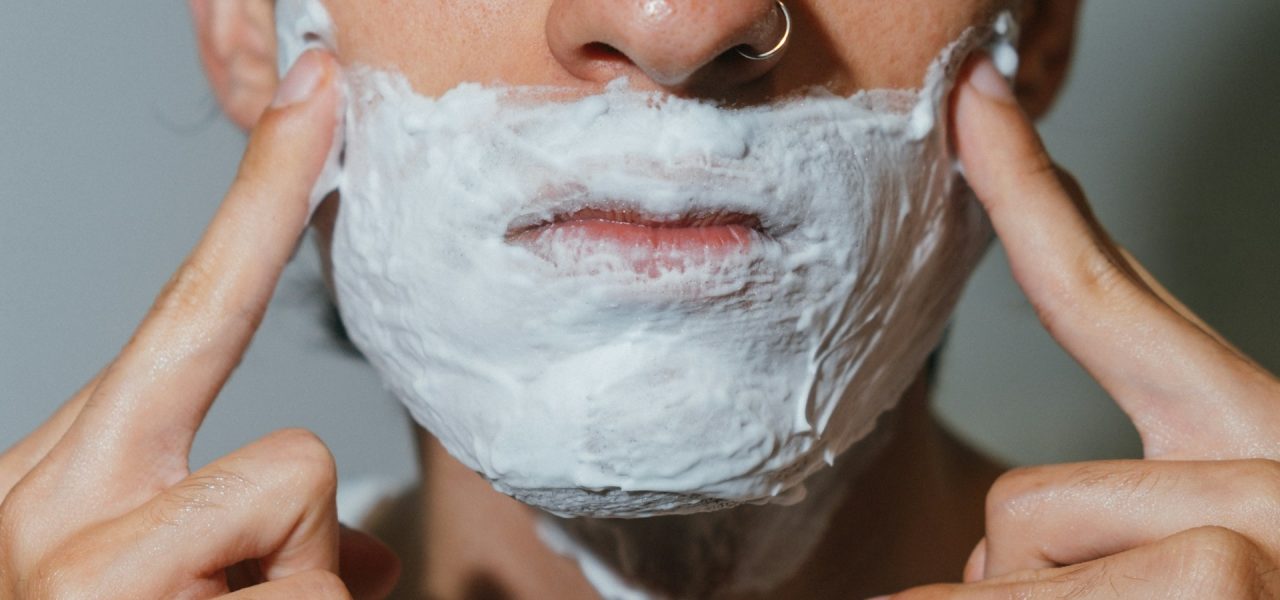
Why Does My Face Get Irritated After Using Shaving Foam?
Why Does My Face Get Irritated After Using Shaving Foam?
Shaving foam is supposed to make shaving easier. You apply it, shave, rinse off, and your skin should feel clean and comfortable.
But if your face feels tight, dry, itchy, red or sore afterwards, something is not working properly.
For many people, the problem is not shaving itself. It is the combination of shaving foam, razor pressure, dry skin, blunt blades and not enough protection between the blade and the skin.
If you suffer from razor burn, shaving rash or sensitive skin, shaving foam may not always give you the level of glide and protection your skin needs.
That was one of the reasons I developed Pure Shave Shaving Cream. I wanted something that helped the razor glide properly, softened the stubble before cutting, and left the skin feeling comfortable afterwards — not tight, sore or stripped.
Quick answer: why does shaving foam irritate my face?
Your face may feel irritated after using shaving foam because:
- The foam dries out too quickly on the skin
- There is not enough glide between the razor and your face
- You are using too much pressure
- Your razor blade is blunt or clogged
- The foam contains fragrance, alcohol or other ingredients your skin does not like
- Your skin is already dry before you start shaving
- You are shaving over the same area too many times
In simple terms, irritation usually happens when the razor drags instead of glides.
Shaving removes more than just hair
Every time you shave, you are not just cutting stubble. You are also dragging a sharp blade across the surface of your skin.
Done properly, this should not be a problem. But if there is too much friction, too much pressure, or not enough protection, the skin can quickly become sore, red or inflamed.
This is why the product you use before shaving matters so much.
A good shaving product should help soften the stubble, improve glide and create a protective layer between the blade and your skin. If it does not do that well enough, your skin takes the punishment.
Shaving foam can dry out or disappear too quickly
Traditional shaving foam is popular because it is quick and easy to use. For some people, it works perfectly well.
The problem is that some foams are very light and airy. They look like they are giving lots of protection, but they can start to disappear whilst still on the skin.
When that happens, there may not be enough glide between the razor and your face. The blade can start to drag, which makes you press harder or go over the same area again.
That extra pressure is one of the biggest causes of razor burn, shaving rash and post-shave irritation.
If you regularly feel tight or sore after using shaving foam, it may be a sign that your skin needs something with more cushion, more glide and more staying power.
For a fuller comparison, read: Shaving Cream vs Gel vs Foam: Which Is Best for Sensitive Skin?
Ingredients can make sensitive skin worse
If your skin is already sensitive, the ingredients in some shaving foams can make irritation worse.
Fragrance, drying alcohols and other foaming ingredients may be fine for some people, but they can leave others feeling tight, itchy or uncomfortable after shaving.
This is especially true if your skin barrier is already struggling. Cold weather, central heating, hot showers and regular shaving can all make the skin feel drier than usual.
If your face stings after shaving, or your skin feels like it needs moisturiser immediately afterwards, your shaving foam may not be giving your skin what it needs.
Pure Shave is fragrance-free and designed for sensitive skin, with a formula focused on glide, comfort and post-shave feel rather than strong scent or unnecessary theatre.
Dry skin makes razor burn more likely
Dry skin and shaving are not a great combination.
When your skin is dry, the razor has less natural slip. That means it can catch, drag or scrape across the surface more easily.
This can lead to:
- Redness
- Tightness
- Razor burn
- Small bumps
- Flaky patches
- A sore or raw feeling after shaving
This is why preparation matters. Warm water, a sharp blade and a shaving cream that helps soften the stubble can all make a noticeable difference.
The softer the stubble is before cutting, the less pressure the razor needs. Less pressure usually means less irritation.
If you want to try this without committing to a full bottle, start with the 30ml Pure Shave Sample.
Your razor could also be part of the problem
It is easy to blame the shaving foam, but the razor matters too.
A blunt blade does not cut cleanly. It tugs at the hair, drags across the skin and often makes you press harder than you realise.
A clogged razor can cause the same problem. If old foam, hair or product builds up between the blades, the razor cannot glide properly. That means more strokes, more pressure and more irritation.
A good shave needs both parts working together:
- A sharp, clean razor
- A shaving product with proper glide
If you are unsure about razors, read: How Many Razor Blades Do You Need for Sensitive Skin?
Is shaving cream better than shaving foam for irritated skin?
For many people with sensitive skin, yes — shaving cream can be a better option than traditional aerosol foam.
The reason is control.
With a shaving cream, you can use it as a simple cream, add a little water for extra slickness, or work it into a lather with a shaving brush.
The aim is not just to create a big cloud of foam. The aim is to soften the stubble, improve razor glide and reduce the pressure needed from the blade.
That is where Pure Shave Shaving Cream is different from a standard foam. It was developed specifically for people who struggle with razor burn, shaving rash and sensitive skin.
It can be used straight on the skin, with a little water, or lathered with a brush if you prefer a more traditional shave. Either way, the focus is the same: a close, comfortable shave without leaving your skin feeling tight, dry or irritated.
How to reduce irritation after shaving
If shaving foam is leaving your face irritated, try these simple changes:
- Use warm water before shaving to help soften the stubble.
- Use a sharp, clean razor.
- Do not press too hard.
- Shave with short, gentle strokes.
- Rinse the razor regularly.
- Avoid going over the same area repeatedly.
- Use a shaving cream with good glide.
- Moisturise after shaving if your skin feels dry or tight.
Small changes can make a big difference. For most people, the biggest improvements come from using less pressure and switching to a product that gives better glide.
In summary: why does shaving foam irritate your face?
Shaving foam can irritate your face if it dries out too quickly, does not give enough glide, contains ingredients your skin does not like, or allows the razor to drag across the skin.
Your razor, technique and skin condition also matter.
If you regularly suffer from razor burn, shaving rash, dry patches or post-shave tightness, it may be worth switching from aerosol foam to a shaving cream designed for sensitive skin.
Pure Shave Shaving Cream was developed to soften stubble, improve razor glide and leave skin feeling comfortable after shaving.
Start with the 30ml Pure Shave Sample if you want to try it first, or go straight to the 150ml refillable bottle if you are ready to switch.
Try a 30ml Pure Shave Sample
Try Pure Shave Shaving Cream
Related guides you may find useful
Shaving Cream vs Gel vs Foam: Which Is Best for Sensitive Skin?
Best Shaving Cream for Sensitive Skin
How Many Razor Blades Do You Need for Sensitive Skin?
What Does Shaving Foam Do — And Is It Best for Sensitive Skin?