

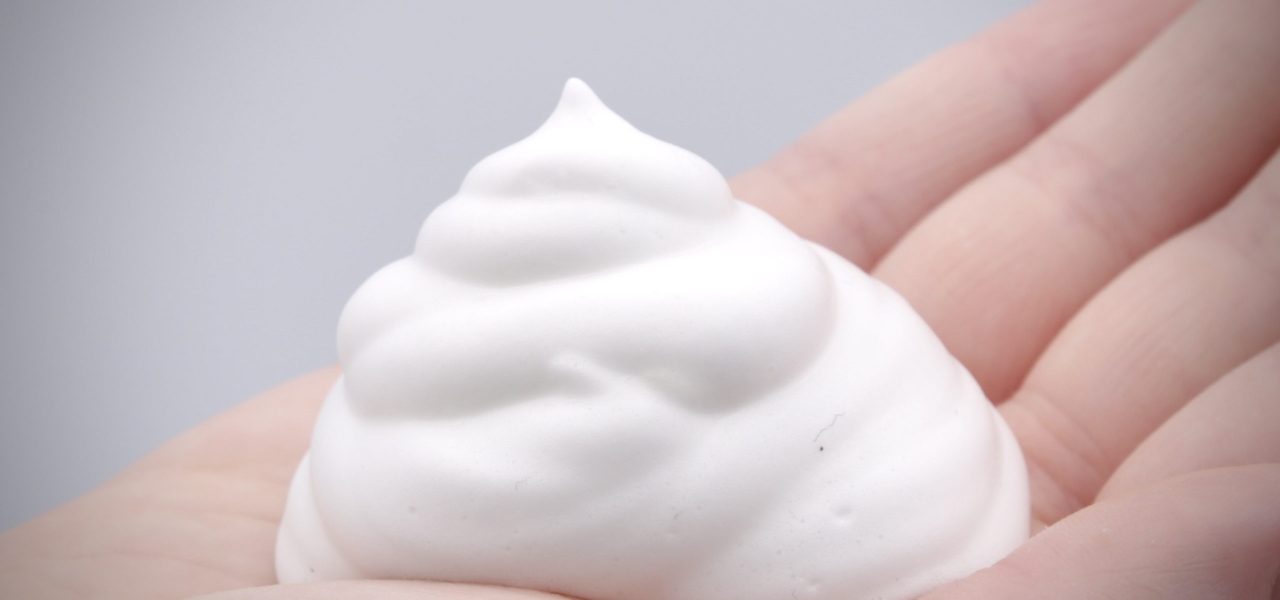
What Does Shaving Foam Do — And Is It Best for Sensitive Skin?
What Does Shaving Foam Do — And Is It Best for Sensitive Skin?
Shaving foam has one main job: to help the razor move more smoothly across your skin.
It creates a layer between the blade and your face or body, helping to reduce friction and make shaving feel easier. A good foam or lather can also help coat the hairs, soften the stubble, and — especially when applied with a shaving brush — help separate the hairs so they are easier for the razor to cut.
That is why lather matters. It is not just about creating a big cloud of foam. The real aim is to improve glide, protect the skin, and make the hair easier to shave with less pressure from the razor.
But shaving foam is not the only option. And if your skin often feels tight, dry, sore or irritated after shaving, it may not be the best choice for you.
In this guide, I’ll explain what shaving foam actually does, why lather matters, and when a shaving cream may be a better option — especially if you suffer from razor burn, shaving rash or sensitive skin.
Quick answer: what does shaving foam do?
Shaving foam helps by:
- Creating a layer between the razor and your skin
- Reducing friction as the blade moves
- Helping the razor glide more easily
- Spreading the shaving product evenly
- Making it easier to see where you have shaved
However, shaving foam does not automatically mean a better shave. If the foam is too light, drying or disappears quickly, your skin may still feel sore, tight or irritated afterwards.
For sensitive skin, a good shaving cream can often be a better option because it gives more glide, more control, and helps soften the stubble before cutting. If you want to try this approach, Pure Shave Shaving Cream was developed for exactly this kind of sensitive, easily irritated skin.
What is shaving foam or lather?
When people talk about shaving foam, they usually mean the ready-made foam that comes from an aerosol can.
A lather is slightly different. It is usually created by mixing shaving cream or shaving soap with water, either in a bowl, in the palm of your hand, or directly on the skin with a shaving brush.
Both are designed to do the same basic job: help the razor glide more smoothly, reduce friction, soften the stubble and make shaving feel more comfortable.
With Pure Shave Shaving Cream, you do not have to create a lather if you do not want to. You can use it as a simple cream, add a little water for extra glide, or work it into more of a traditional lather with a shaving brush.
Personally, I prefer lathering Pure Shave directly onto the skin. It gives the cream more time to work into the stubble before shaving, which can make the hair easier to cut.
First, let’s clear up a common myth.
Does shaving foam make stubble stand up?
There is a common idea that shaving foam or lather makes the stubble “stand up” so it can be cut more easily.
That is not really how hair works.
The direction your hair grows is mostly determined by the angle of the hair follicle under the skin. A foam or lather cannot change that.
What it can do is soften the hair, coat the skin, and help the razor glide more smoothly. That is where the real benefit comes from.
What does shaving foam actually do?
Shaving foam or lather does more than simply make shaving feel nicer. Its main job is to help prepare the skin and stubble so the razor can move more smoothly.
It helps the razor glide
The most important job of shaving foam is to reduce friction.
By creating a layer between the razor and your skin, foam or lather helps the blade move more easily. This can make the shave feel smoother and more comfortable, especially if your skin is prone to razor burn or irritation.
It helps spread the product evenly
A good lather also makes it easier to cover the shaving area properly.
This helps you see where you have applied product and where you have already shaved, reducing the chance of missed patches or going over the same area too many times.
It can help protect the skin
Foam or lather can also act as a light barrier between the blade and the skin.
This matters because when there is not enough protection, the razor can drag. That dragging can lead to redness, soreness, shaving rash and that tight, uncomfortable feeling after shaving.
It can help soften the stubble
For me, this is one of the most important parts of a good shave.
The softer the stubble is before cutting, the less pressure the razor needs to do its job. Less pressure can mean less irritation, less scraping and a more comfortable shave.
This is where the quality of the shaving product itself really matters. A big lather is not much use if the formula underneath is drying or does not give the razor enough glide.
It can make your shaving product last longer
If you use a shaving cream or soap and add water to create a lather, a small amount of product can go further.
That can make your shaving routine more economical, especially if you are using a concentrated shaving cream rather than a ready-made aerosol foam.
Where shaving foam can fall short
Shaving foam is popular because it is quick, easy and convenient. For many people, that is enough.
But if your skin often feels tight, dry, sore or irritated after shaving, traditional aerosol shaving foam may not be the best option.
The problem is that some foams are very light and airy. They look like they are giving lots of protection, but they can start to disappear whilst still on the skin. When that happens, there may not be enough glide between the razor and your face.
This is when you can end up pressing harder than you realise, or going over the same area more than once. Both of these can increase the chance of razor burn, shaving rash and irritation.
Some shaving foams may also contain ingredients that leave the skin feeling dry or stripped. That does not mean every shaving foam is bad, but it does mean foam is not automatically the best choice for sensitive skin.
There is also the environmental side to consider. Most traditional shaving foams come in aerosol cans, which makes them less appealing if you are trying to reduce waste in your bathroom routine.
Is shaving cream better than shaving foam?
For many people with sensitive skin, shaving cream can be a better option than aerosol foam.
The reason is control.
With a good shaving cream, you can decide how you want to use it. You can apply it as a cream, add a little water for extra glide, or work it into a lather with a shaving brush if you prefer a more traditional shave.
The aim is not just to create lots of foam. The aim is to soften the stubble, help the razor glide smoothly, and reduce the amount of pressure needed to get a close shave.
That is important because pressure is one of the biggest causes of irritation. If the razor is dragging, or the hair is difficult to cut, you naturally press harder. A good shaving cream helps reduce that problem by making the shave feel smoother and more controlled.
This is one of the reasons I developed Pure Shave Shaving Cream. I wanted a product that could be used in different ways, but always focused on the same result: a close, comfortable shave without leaving the skin tight, sore or irritated afterwards.
Pure Shave is fragrance-free, designed for sensitive skin, and made to help soften the stubble before cutting. It also comes in a refillable bottle, with refill pouches available, making it a more eco-conscious alternative to disposable aerosol foam.
If you are not sure whether switching from shaving foam will suit your skin, the 30ml sample is a simple way to try it first.
How to get a better lather with Pure Shave
You do not have to lather Pure Shave to get a good shave. It can be used straight on the skin as a shaving cream.
However, if you enjoy using a brush, or you like the feel of a traditional lather, Pure Shave works well that way too.
The easiest method is to apply a small amount of cream to damp skin, add a little warm water, and work it in with your fingers or a shaving brush. You do not need to create a huge foam. What you are looking for is a smooth, slick layer that gives the razor enough glide.
Personally, I prefer lathering Pure Shave directly onto the skin. It gives the cream more time to work into the stubble before shaving, which can make the hair easier to cut.
If you use a shaving brush, take your time. A minute or two of gentle lathering can make a noticeable difference, especially if your stubble is coarse or your skin is easily irritated.
Read more: How To Use A Shaving Brush.
In summary: what does shaving foam do?
Shaving foam helps the razor glide across the skin, reduces friction, spreads the shaving product evenly and can make shaving feel easier.
But foam itself is not magic.
The quality of the product underneath matters. If the foam is too light, too drying, or disappears too quickly, your skin may still feel tight, sore or irritated afterwards.
If shaving foam works well for you, there may be no need to change. But if you regularly suffer from razor burn, shaving rash, dryness or post-shave tightness, switching to a good shaving cream may be a simple improvement.
Pure Shave Shaving Cream was developed for sensitive skin and designed to help soften the stubble, improve razor glide and leave the skin feeling comfortable after shaving.
Start with the 150ml refillable bottle, or try the 30ml sample first if you would rather test it before switching.
Related guides you may find useful
Shaving Cream vs Gel vs Foam: Which Is Best for Sensitive Skin?
Best Shaving Cream for Sensitive Skin