

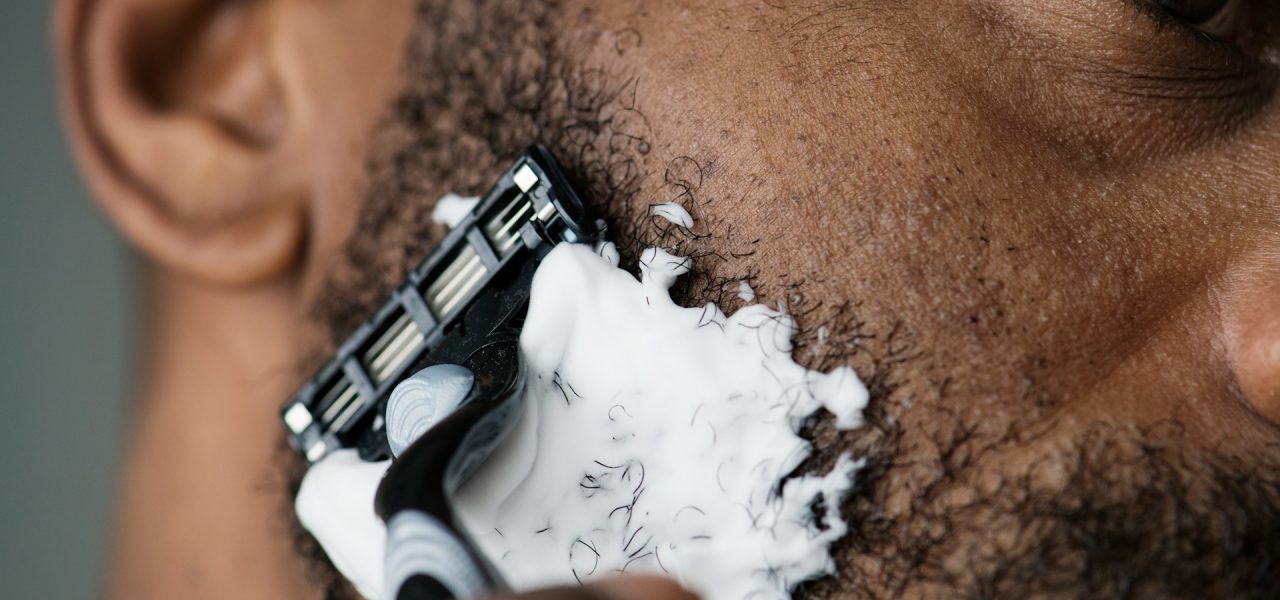
What to Do When a Cartridge Razor Isn’t Cutting Smoothly
When your cartridge razor stops gliding like it used to, shaving becomes something you dread. The blade catches. It tugs. It feels rough even though it might still look sharp. This usually has little to do with the razor itself getting old. Most of the time, poor performance is more about build-up, pressure, or lack of proper care.
You do not need to bin your razor every time it feels like it is struggling. There are clear reasons why it is not cutting smoothly, and thankfully, some easy ways to get things working again. Let us help you get back that clean, smooth, easy shave.
Check the Blade Condition First
One of the first things to do is look at the blade edge itself. If your cartridge razor feels scratchy or weak, it can point to a dull blade. But dullness is not only about age. It can happen from just a few uses if it has not been cleaned well.
• Look for hair or residue stuck between the blades. This build-up reduces how well the blade moves over your skin and leads to tugging.
• If you are rinsing under water alone, that build-up might still be clinging on. Tiny bits of dried shaving cream or skin cells can clog the edges.
• Over time, water and soap alone will not fully clean the blades. That is when a deep clean or sharpening makes the biggest difference.
It is not always about wear and tear. Sometimes, it is just grime slowing things down.
Our cartridge razors come with lubricating strips and pivoting heads, designed for comfort and fewer missed hairs, but even quality blades benefit from regular cleaning and occasional sharpening.
Rethink How You Are Prepping Your Shave
If your razor feels like it is dragging, it is not always the blade to blame. The way you prep your skin matters more than most people think.
A thick enough layer of shaving cream should coat and cushion your skin. This helps hairs soften up and stand upright. When that happens, blades cut easier with less pull. Without it, even a sharp blade will feel uncomfortable.
• Using warm water beforehand softens stubble and opens pores. It does not need to be hot, just enough to allow skin to relax.
• Dry shaving or rushing through prep, especially during colder months, can cause the razor to scrape more than cut.
• With the right cream and routine, you will notice your razor gliding again, instead of biting or catching.
If your skin is not given the right prep, the best blade will not make much difference.
For best results, pair your razor with our All Natural Shaving Cream, which is formulated with vegan ingredients and without parabens, sulphates, or perfumes, making it gentler on sensitive skin.
Go Easy on Your Pressure
When razors do not cut well, the natural instinct is to press a bit harder. But that is often what creates more problems.
Cartridge razors are made to let the blades do the work. Their shape and spacing are built for comfort. Pushing into your skin only increases the risk of pulling hairs below the surface or cutting too close.
• Use shorter strokes and let the weight of the handle guide the glide.
• Pressing lightly allows the blades to sit at the angle they are designed for.
• Too much pressure can cause skin irritation, cuts, or uneven results.
Trust the blade. If it is not cutting properly, do not press harder; check your prep and cleaning first.
Extend Razor Life with Proper Tools
If your blade feels blunt but does not look damaged, it might just need sharpening. A cartridge razor can last longer when sharpened correctly, and it can also help prevent waste.
One easy tool we recommend is a surface sharpener designed for razors. It works like a modern version of the old leather strop used for straight blades. A sharpener does not change the actual blade edge but corrects small bends and removes residue that makes the razor feel dull.
Here is how to use one:
1. Dab a small layer of shaving cream onto the flat side of the sharpener.
2. Place your razor flat and push it away from you around ten times.
3. Rinse both the razor and sharpener under water.
This quick habit can restore a sluggish cartridge razor. It cleans it more thoroughly than water can and reshapes the edge just enough to give you that clean cut again. You will waste fewer blades and spend less on replacements over time.
We offer eco-friendly refillable razor handles as part of our product range, supporting longer-lasting shaving tools and reducing plastic waste.
Why It Is Not Always the Razor’s Fault
Sometimes your razor is fine, but your skin is not at its best. If your skin is dry, tight, or covered in cold bumps from winter air, the razor will not glide as smoothly as it could.
• Weather changes in winter can make skin more sensitive or flaky. Hairs become harder and rougher, making it tougher for blades to shave easily.
• Regular moisturising after your shave helps your skin stay balanced, especially during cold months. If your skin stays in good shape, your blade performs better.
• If your skin is prone to dry patches, adding moisturiser to your routine can improve shave comfort without needing to change your equipment.
It does not take much. A bit of care about your skin, even just a few times a week, can make a big difference in how shaving feels day to day.
Get Back to a Smooth Shave
When your cartridge razor stops performing, it is easy to think it is time for a replacement. But often, the fix is smaller and quite simple.
With the right care, using quality blades, effective prep, and good maintenance habits, even a cartridge razor can deliver a smooth, comfortable shave every time. Adjust your routine and choose eco-friendly, skin-loving products to extend your blade’s life and protect your skin.
At Pure Shave, we believe getting the best out of your daily shave does not have to mean replacing your gear every few weeks. With a little care and the right habits, your tools can last much longer and work better. When your blade is not gliding the way it should, a properly cleaned and maintained cartridge razor can make all the difference. Whether you are after a smoother cut or want less irritation, small adjustments can go a long way. Unsure which tools or techniques suit you best? Get in touch, we are happy to help.